ALICE lives here.
Nearly 4 in 10 households in Berrien, Cass and Van Buren counties can't afford the basics. They're our coworkers, caregivers and neighbors.
Meet ALICE
ALICE® households are our neighbors who earn more than the poverty line but not enough to cover the cost of living here.
You know ALICE. ALICE rings up your groceries, cares for your kids, cleans your office after hours and drops packages on your porch. In Michigan, 47% of cashiers and 42% of cooks live in households below the ALICE Threshold.
ALICE isn't a small group on the edges. Across our three counties, 28,971 households are ALICE. Add the 15,714 households living in poverty, and 44,685 local households can't afford the basics.
Why the poverty line misses them
The federal poverty line was created in the 1960s, and it's the same in Benton Harbor as it is in Manhattan. The ALICE Threshold looks at what it actually costs to live here, using just six basics: housing, child care, food, transportation, health care and a smartphone plan.
Two parents, two kids in child care. Even with two full-time jobs, they're nearly $17,000 short.
That gap is where ALICE lives. They earn too much to qualify for most help and too little to get ahead. And it's getting harder. In Michigan, the cost of those six basics climbed 4.9% a year from 2021 to 2024, more than double the pace of the years before the pandemic.
Life below the threshold
When there isn't enough money to go around, every week is a set of impossible choices.
- Pay the electric billorfill the tank to get to work
- Buy groceriesorfill a prescription
- Pay more rent to live near workorpay more to commute
Only 32% of households below the ALICE Threshold across Michigan and its neighboring states have enough savings to cover three months of expenses. One car repair or hospital bill can knock the whole thing over.
That's what child care for two kids costs each month in Berrien County. It's more than rent.
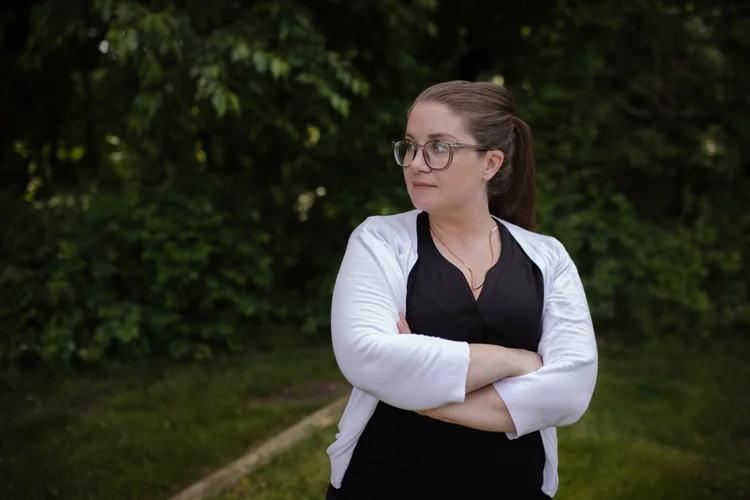
One ALICE story: Tess
Tess Ulrey is a single mom of two, a St. Joseph city commissioner and a nonprofit professional. For years, she worked a full-time job, picked up restaurant shifts and took contract work in the early morning hours. It still wasn't enough.
I didn’t qualify for Medicaid, I didn’t qualify for cash assistance, I didn’t qualify for SNAP; I had a good job (well, jobs), and was always in the valley between the programs that could help me and the families making enough to own a home, drive a car that worked, or even send their kids to classes and camps.
She went back to work three weeks after a C-section because she couldn't make rent otherwise. What finally gave her room to breathe was affordable, full-day preschool for her kids. Today, Tess is above the ALICE Threshold, and her family is planning for the future instead of just surviving the week. She even made it to the dentist for the first time in 12 years, something a lot of ALICE parents put off so their kids come first.
It’s bleak to know that you’re one emergency away from even your less than ideal living situation collapsing.
ALICE in Southwest Michigan
These numbers come from the 2026 State of ALICE report, which uses the most recent data available (2024). Tap a county to see how many households are struggling and what it actually costs to get by.
- ALICE households: working, but short of the basics
- households below the poverty line
- Everyone else
Percentages are rounded, so they may differ by a point from adding up the ALICE and poverty rates on the county reports.
What it costs just to get by
The ALICE Survival Budget covers the bare basics. No savings, no dinners out, no birthday presents.
Who's struggling most
Out of every 100 households in each group, here's how many can't afford the basics, compared to Michigan overall.
Who's feeling it most
ALICE lives in every community and every demographic group, but some neighbors are hit harder.
Young adults
of Berrien County households headed by someone under 25 are below the ALICE Threshold. Statewide, it's 67%.
Seniors
of households headed by someone 65 or older in Cass and Van Buren counties can't afford the basics. Fixed incomes don't stretch as prices rise.
Single parents
of single moms in Cass County are below the threshold. It's 77% in Berrien and 75% in Van Buren.
Black households
in Berrien County are below the ALICE Threshold, the result of long-standing barriers to good jobs, housing and education.
What United Way is doing
ALICE is the reason we exist. Everything we fund works to help families cover the basics and build a little breathing room.
Connecting people to help
2-1-1 links anyone to local resources for rent, utilities, food and more, 24/7. Just dial 211.
Putting money back in pockets
Our free tax prep program (VITA) helps working families file for free and claim credits like the Earned Income Tax Credit. Nationally, about 1 in 5 people who qualify for the EITC never claim it.
Investing in local programs
We fund local partners working on the things that make or break an ALICE budget: food, housing, child care, health and financial stability.
Making healthy living affordable
Be Healthy Berrien works to improve food access and active living opportunities across the county.
In 2025, United Way and its partners impacted 207,706 people across Berrien, Cass and Van Buren counties.
How you can help
Volunteer
From tax prep to school supplies, your time goes straight to local families.
Find an opportunityEmployers: ALICE is likely on your payroll. A workplace campaign is a simple way to support your own team and your community at the same time.
Share this page with #StateOfALICE and tag @United4ALICE.
Quick questions
Isn't ALICE just another word for poverty?
No. Households in poverty are below the federal poverty line. ALICE households earn more than that but still can't cover basic costs. Together, they make up everyone below the ALICE Threshold.
Why don't they just get better jobs?
Many ALICE workers already have jobs, sometimes two or three. The problem is that costs for housing, child care and health care have climbed faster than wages. In Michigan, even $20 an hour doesn't cover the basics for one parent and one school-age child in 80% of counties.
Does this include retirees?
Yes. Seniors are one of the fastest-growing ALICE groups in Michigan, and about half of senior households in Cass and Van Buren counties are below the threshold.
Where does this data come from?
United For ALICE, a national research effort that partners with United Ways in 41 states and Washington, D.C. The Michigan report is produced with the Michigan Association of United Ways.